
“What Snooker Taught Me About Facilitation”??
It was a quiet evening.
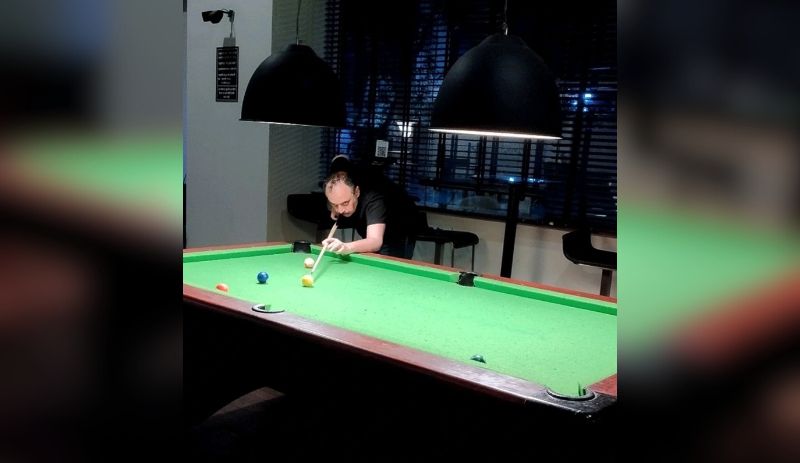
A dark room. Soft lights. The green baize glowing beneath two black lamps.
I picked up the cue, chalked the tip, and leaned over the green baize to line up a shot.
And as I stood there, cue ball in sight, something shifted…..
With every shot, I started seeing parallels… not with sport, but with facilitation.
Strange, right?
And yet, here are 5 things a game of snooker quietly teaches facilitators:
- The break sets the tone
That opening break isn’t about potting balls – it’s about strategy, spread, and setting up the game.
Facilitators too must open the space with intention – what we say, how we show up, sets the energy of the room.
- It’s not about power, it’s about precision
A forceful shot might look dramatic, but often, it’s the gentle, calculated ones that win frames.
Facilitation isn’t about dominating the room – it’s about intentional, well-placed interventions that move things forward. - Respect the silence between shots
Snooker demands stillness. A pause. A breath.
And so does facilitation. Growth happens not just in what we say – but in the space we hold.
- Stay still when the other plays
In snooker, you wait. You watch. You don’t interrupt your opponent’s rhythm.
Great facilitators hold silence. They resist the urge to rescue. They allow space for participants to take their shot. - Every miss is feedback
When the ball rattles in the pocket and stays out, it’s not failure – it’s information.
Facilitators need this mindset. When something doesn’t land, reflect. Adjust. Play again.
As I racked the balls again, I smiled.
Snooker had whispered a quiet masterclass on #facilitation.
What unexpected place or practice has shaped the way you show up in a room?