
What IKEA Can Teach Us About Facilitative Team Management ??
As I walked out of IKEA, bags in hand, I realized that I had taken home more than just home accessories. The IKEA experience is a masterclass in ‘facilitative leadership’ – one that any team manager can learn from.
Here are five key lessons IKEA teaches us about managing teams with a facilitative approach:
- Create a Self-Sustaining System : IKEA doesn’t just sell furniture; it equips customers to build their own. Similarly, great team managers don’t micromanage – they create systems where people can work independently, make decisions, and take ownership of outcomes. The more self-sufficient your team, the more engaged and empowered they feel.
- Design Spaces That Guide, Not Control : Ever noticed how IKEA stores are designed to gently nudge you through a journey rather than dictate a rigid path? A facilitative team manager does the same. Instead of controlling every step, they create an environment where people naturally move towards solutions, innovation, and collaboration.
- Simplicity Drives Productivity : IKEA thrives on making the complex simple – flat-pack designs, clear instructions, and functional layouts. Facilitative managers must do the same. Clarity in goals, processes, and communication reduces confusion and increases efficiency. When teams spend less time figuring out “how,” they can focus on “what” really matters.
- Sustainability = Long-Term Success : IKEA focuses on sustainable practices, ensuring long-term impact rather than short-term gains. Likewise, a facilitative team manager builds a culture that lasts – developing skills, fostering trust, and prioritizing well-being over quick wins. Sustainable teams don’t burn out; they evolve and thrive.
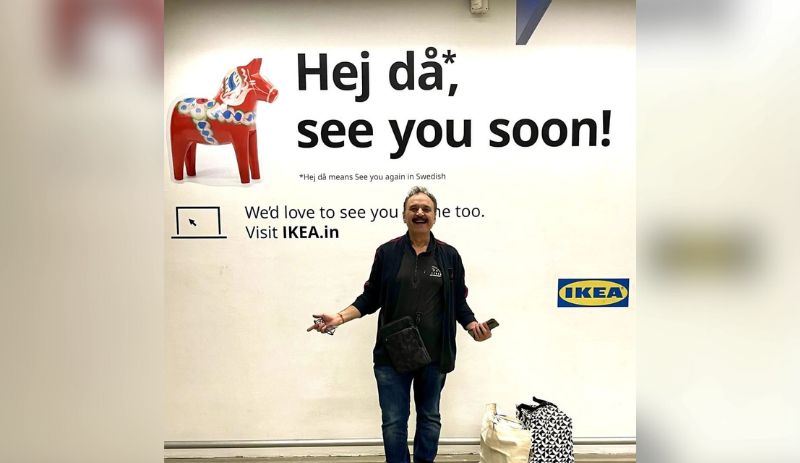
- A ‘See You Soon’ Culture Builds Loyalty : That sign behind me -_Hej då, see you soon!_- isn’t just a goodbye; it’s an invitation to return. Facilitative leadership isn’t about command and control; it’s about creating an atmosphere where people ‘want’ to come back, contribute, and grow. A team that feels valued will always choose to stay engaged.
What’s your biggest facilitation takeaway from the world around you?